Overview
Nepal’s topography and shifting climate patterns present unique engineering challenges for water supply and sanitation. This blog explores why traditional design approaches are no longer sufficient and outlines how Niyatra Consult integrates climate-resilient strategies into modern infrastructure development. It serves as a guide for municipal leaders and project stakeholders on ensuring long-term water security.
The Climate Challenge for Nepal’s Water Systems
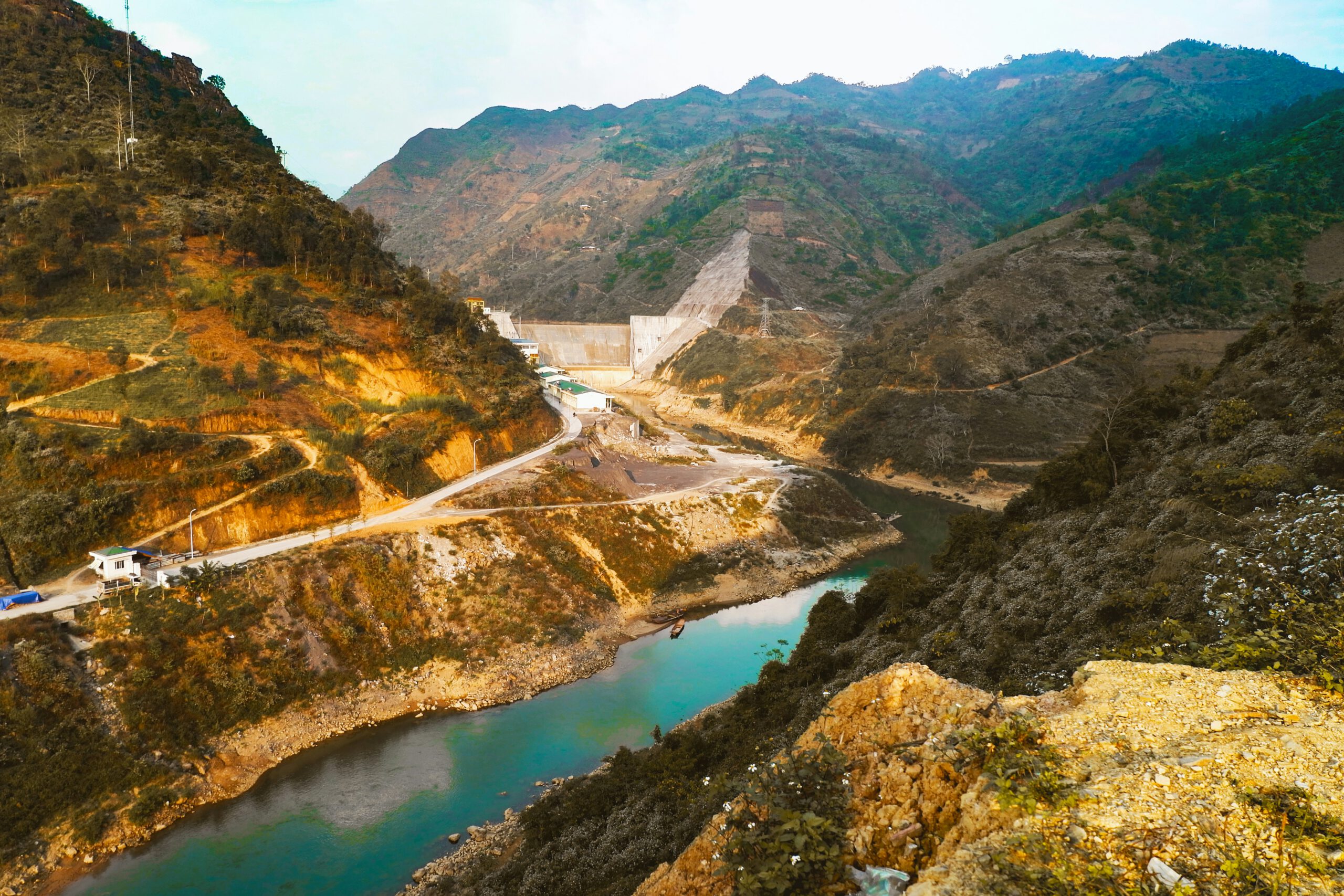
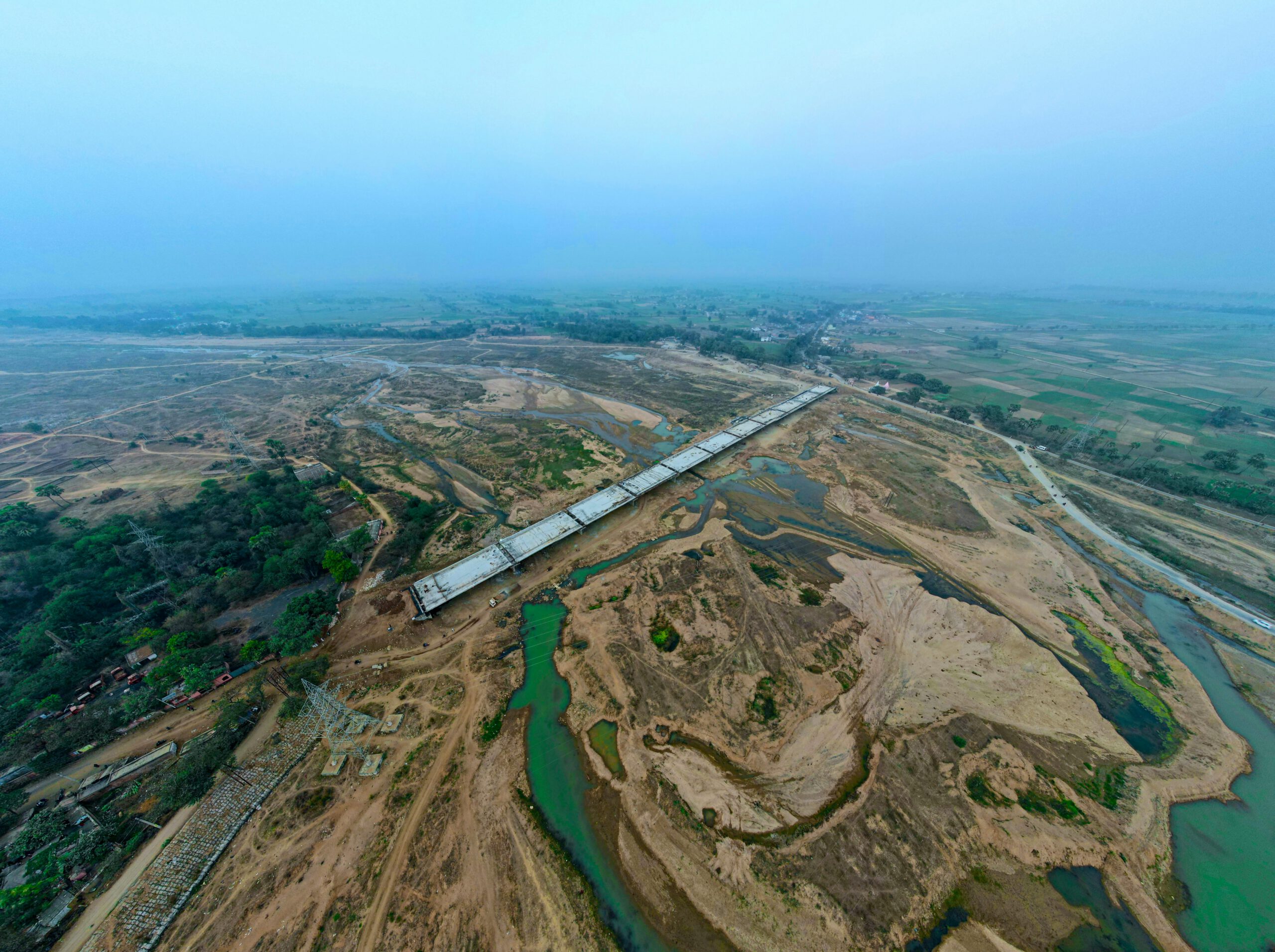
Nepal’s water infrastructure faces increasing threats from erratic monsoons, flash floods, and prolonged dry spells. These extreme weather events frequently damage intake structures, pipelines, and treatment units, leading to significant economic losses and disrupted services. As an engineering consultancy, we recognize that building for “average” conditions is a relic of the past; modern designs must account for climate variability to ensure the longevity of rural and urban water systems.
Why "Resilience" Must Be at the Core of Design
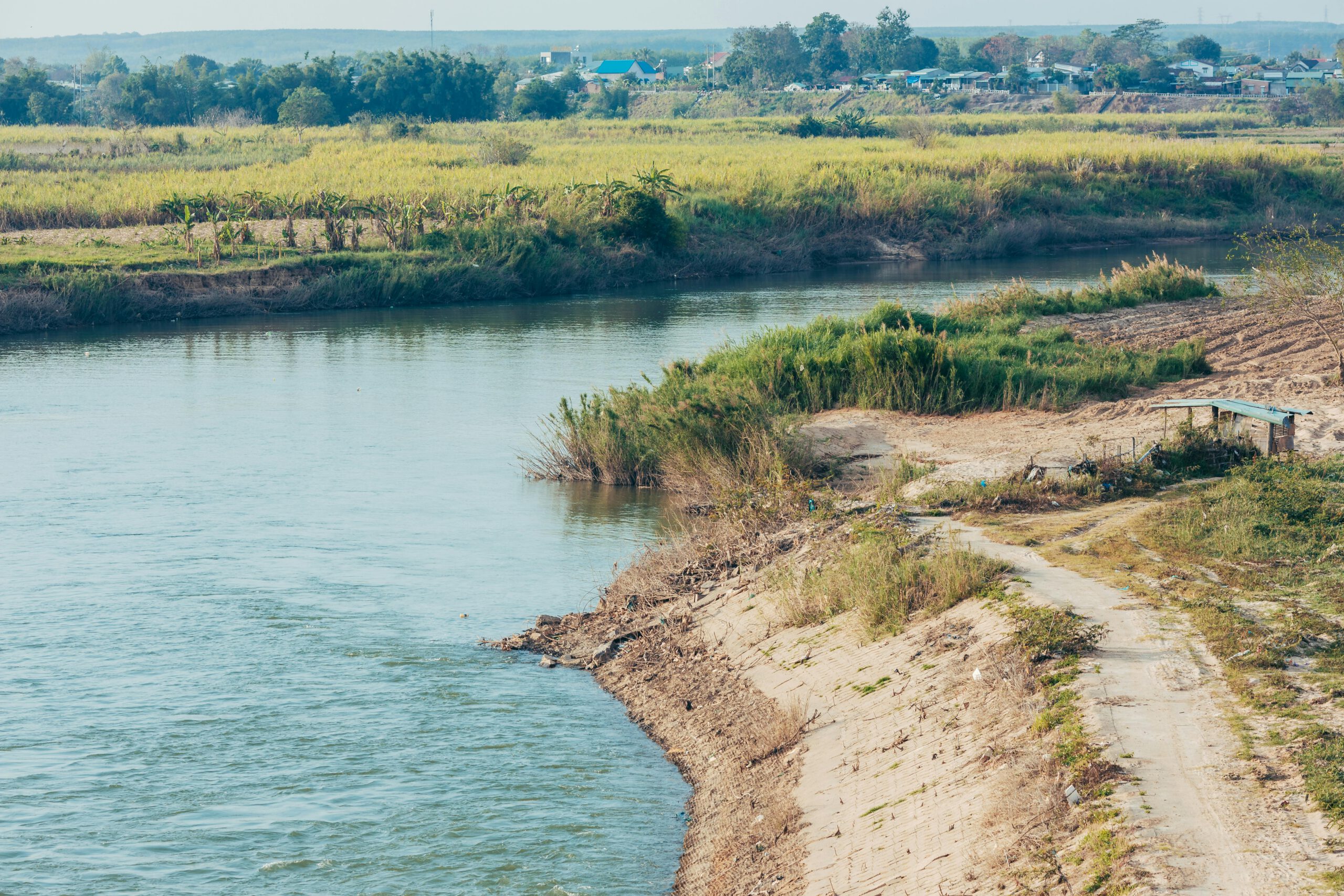
Resilience is not just about strength; it is about adaptability. For Niyatra Consult, this means performing rigorous hydrological surveys that factor in 20–30 years of projected climatic changes. We move beyond simple gravity-flow designs to incorporate:
-
Buffer Storage Systems: To mitigate water scarcity during dry seasons.
-
Adaptive Infrastructure: Flexible pipe networks that can withstand minor soil movements.
-
Pollution Prevention: Protecting water sources from flood-induced contamination.
Image Suggestion: A simplified infographic/diagram illustrating the “Resilient Water Cycle,” showing source protection, treatment, and distribution under varying climate conditions.
The Critical Role of a Detailed Project Report (DPR)
Many infrastructure projects in Nepal face delays or failure due to inadequate planning. A comprehensive DPR is the bedrock of project success. It is not merely a document for approval; it is a technical roadmap that mitigates financial risk, defines scope, and ensures compliance with national standards. Our approach to DPR preparation involves deep-dive feasibility studies that include geological mapping and socioeconomic analysis, ensuring that your project is not just feasible on paper, but sustainable on the ground.