Overview
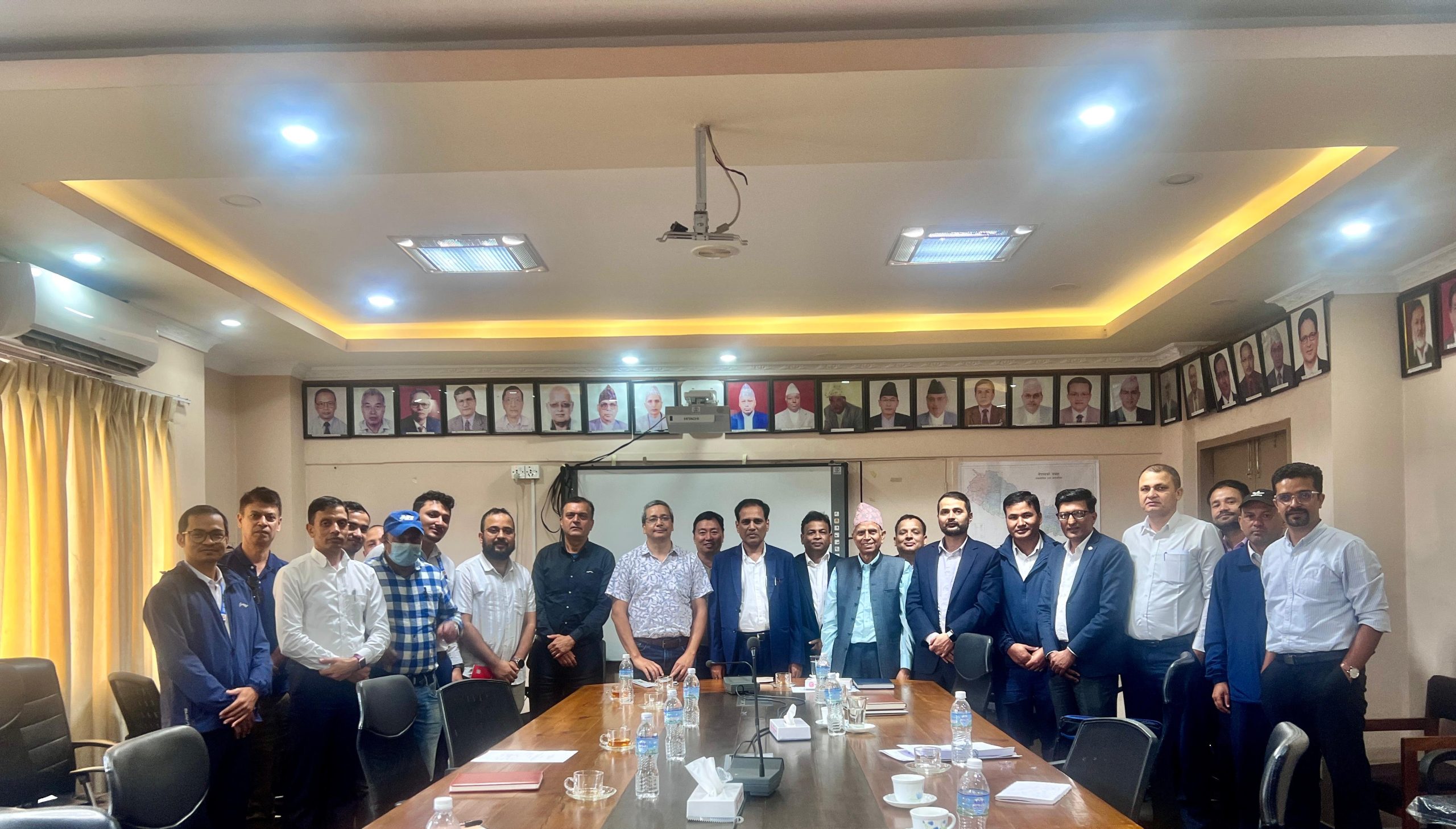
Project Overview Niyatra Consult Pvt. Ltd. successfully carried out a comprehensive scoping study under the USAID Karnali Water Activity to identify sustainable and innovative operation and management models for rural water supply systems in Nepal. The assignment aimed to strengthen water supply governance and improve long-term service delivery by assessing the strengths, limitations, and applicability of existing management approaches while exploring alternative models suited to diverse socio-economic and geographical contexts. The study involved an extensive review of existing water supply management systems across Nepal, including Water Users and Sanitation Committees (WUSCs), Municipal Water Management Boards, Nepal Water Supply Corporation, private sector participation, and self-supply models. Through consultations with key stakeholders—including the Ministry of Water Supply, Department of Water Supply and Sewerage Management (DWSSM), FEDWASUN, MuAN, NARMIN, development partners, and local governments—the study identified institutional, technical, financial, and policy challenges affecting the sustainability of rural water supply services. Based on the findings, the study proposed a range of alternative management models, including strengthened and merged WUSCs, regulated Municipal Water Management Boards, improved self-supply systems, and greater private sector engagement where appropriate. The recommendations emphasized stronger governance frameworks, clearer regulatory mechanisms, enhanced community participation, capacity development, financial sustainability, and performance-based service delivery to ensure resilient and efficient water supply systems across the Karnali River Basin. The outputs of this assignment provide strategic guidance for policymakers, development partners, and local governments in designing future water supply service delivery mechanisms that are technically sound, financially viable, socially inclusive, and adaptable to Nepal's evolving federal governance structure.