Overview
This project addresses the critical need for a structured risk management framework within Nepal's hydropower sector. By identifying the multifaceted challenges encountered during the construction and operational phases of hydro-electric power plants, the initiative seeks to establish comprehensive remedial measures. The goal is to provide developers and policymakers with actionable strategies, policy interventions, and implementation plans that enhance project viability, safety, and long-term sustainability.
Core Objectives
The primary mission of this study is to perform a detailed assessment of the challenges inherent in the hydropower sector and to transform these findings into actionable policy. The project focuses on identifying key operational and construction-related risks—ranging from geological and technical flaws to environmental disruptions and social displacement issues—using advanced modeling techniques and stakeholder consultations. Once these risks are mapped, the objective is to develop a robust framework that includes clear remedial measures, strategic implementation plans, and institutional policy interventions that help developers and government agencies address these issues proactively.
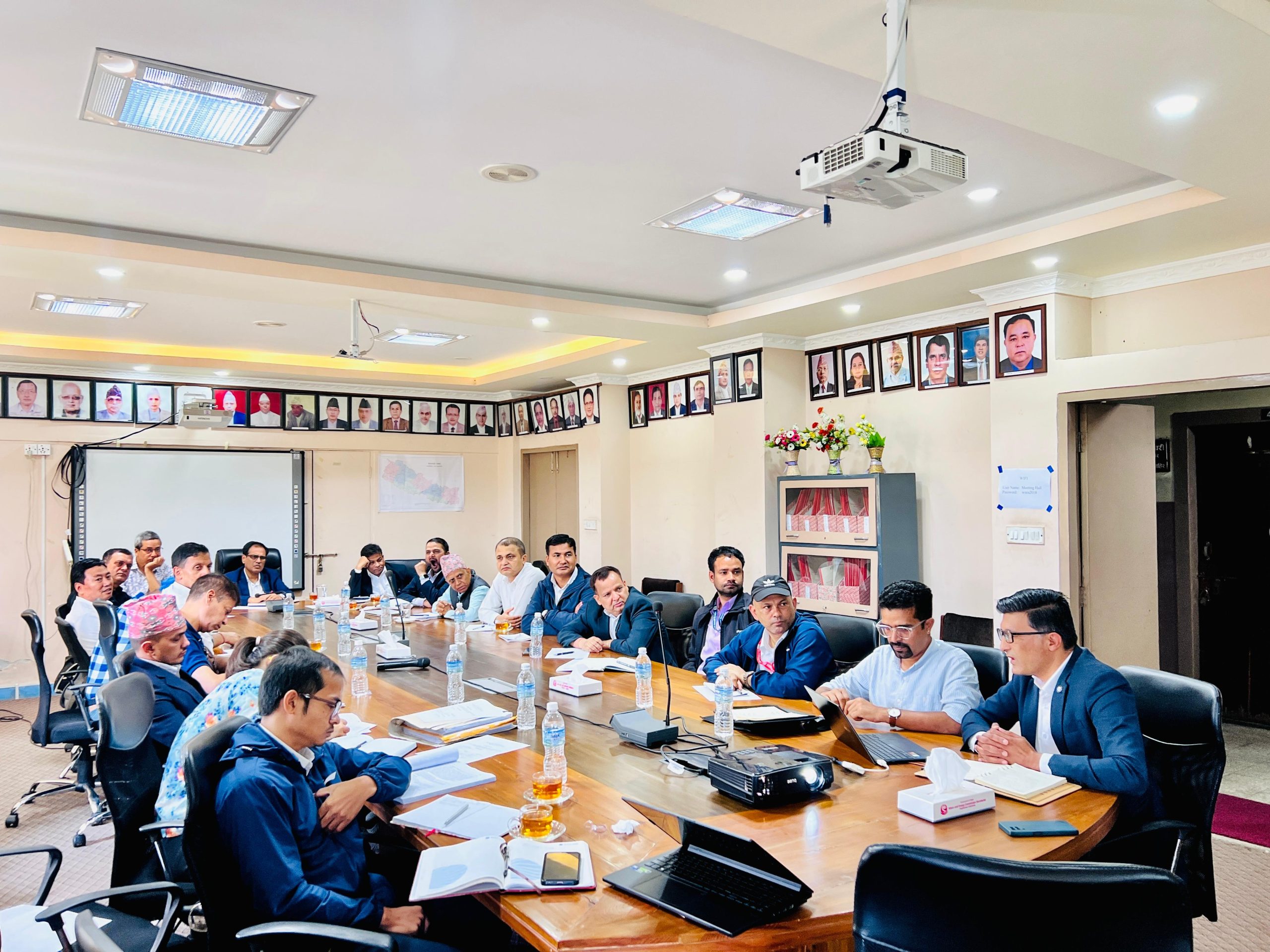
Key Achievements
The project has achieved significant milestones in standardizing how hydropower risks are managed in Nepal. This includes the systematic mapping and categorization of site-specific and sector-wide risks, providing a clear evidence base for future planning. Furthermore, the team has successfully formulated a strategic roadmap for policy interventions, which serves as a vital guide for enhancing institutional capacity. By creating comprehensive management frameworks and institutional monitoring guidelines, the project ensures that mitigation strategies are not just proposed but are actively integrated into the lifecycle of hydropower development, fostering a more secure and sustainable energy future for the country.