Overview
This project represents a strategic effort to enhance environmental sustainability and agricultural productivity in Dhanusha through a detailed Watershed Feasibility Study and the development of a comprehensive Landscape Management Plan. Commissioned by AASMAN NEPAL (ASN) and CS4FS, the initiative integrates scientific assessment with community-driven planning. By combining technical interventions—such as nature-based soil stabilization and water harvesting—with regenerative agriculture principles, the project provides a scalable framework to manage natural resources effectively, mitigate climate vulnerabilities, and support the livelihoods of local smallholder farmers.
Core Objectives
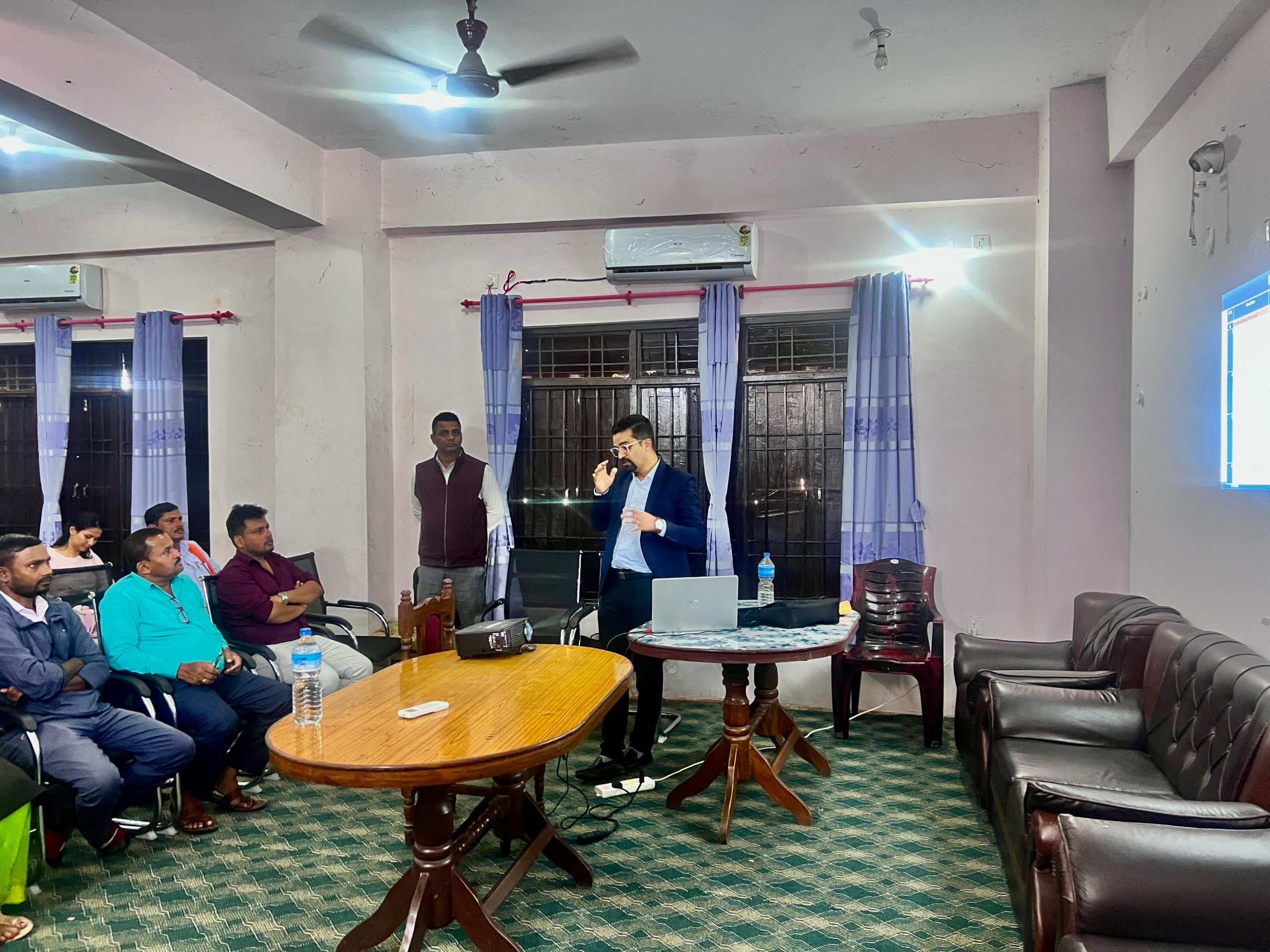
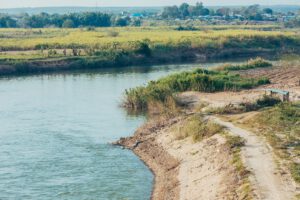
The project aims to create a foundation for sustainable land and water management by conducting a rigorous biophysical, hydrological, and socio-economic assessment of selected micro-watersheds. By analyzing water flow dynamics, erosion risks, and existing land-use patterns, the team sought to identify critical areas requiring intervention. A core objective was the development of an actionable Landscape Management Plan that includes precise technical designs, cost estimates, and GIS-based mapping for nature-based interventions, including stream bank protection, reforestation, and community-managed irrigation. Furthermore, the project prioritized inclusive planning, ensuring that the voices of women, smallholder farmers, and vulnerable groups were central to validating solutions and aligning all proposed activities with the environmental and social safeguards of WHH and Aasaman Nepal.
Key Achievements
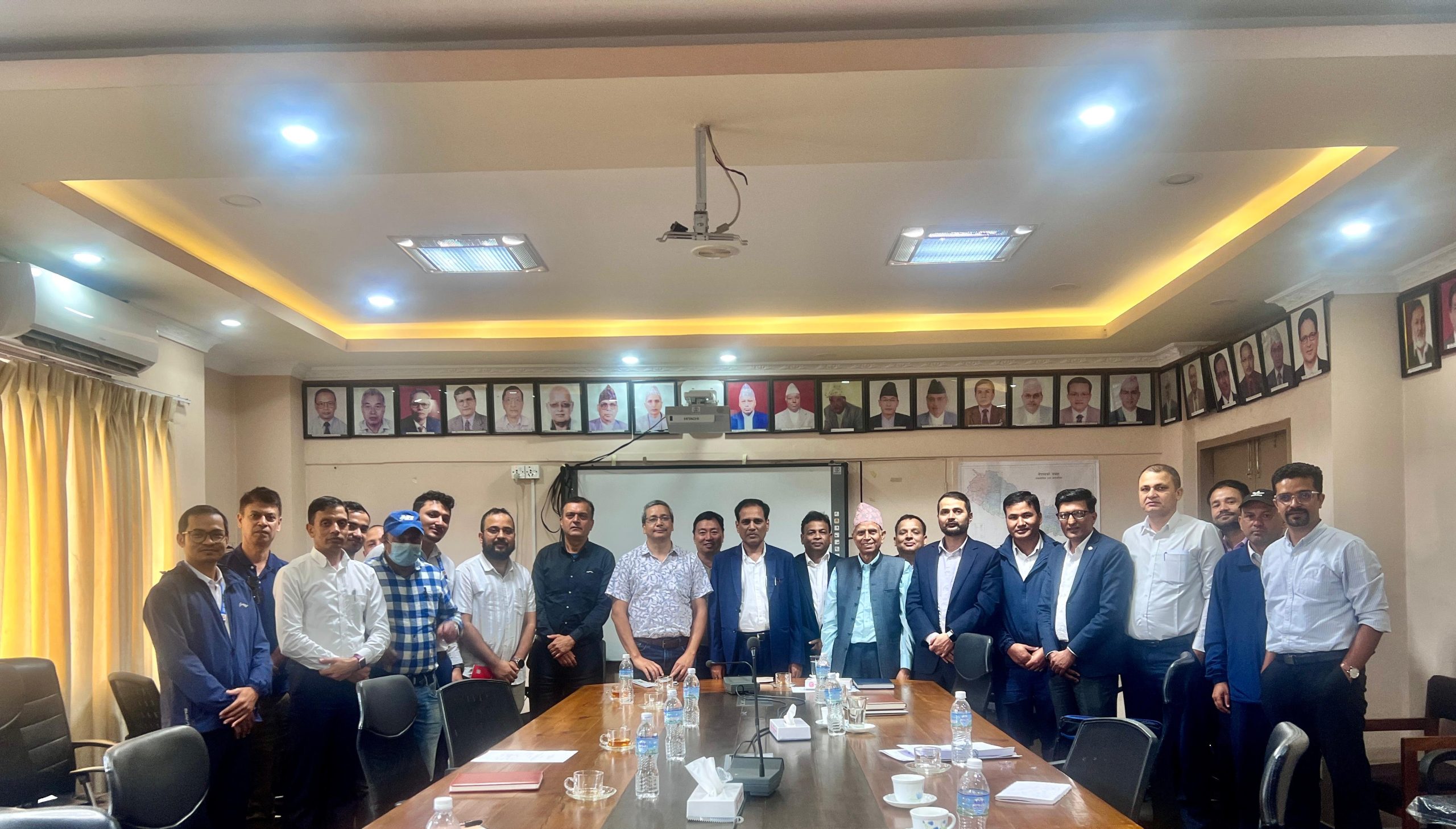
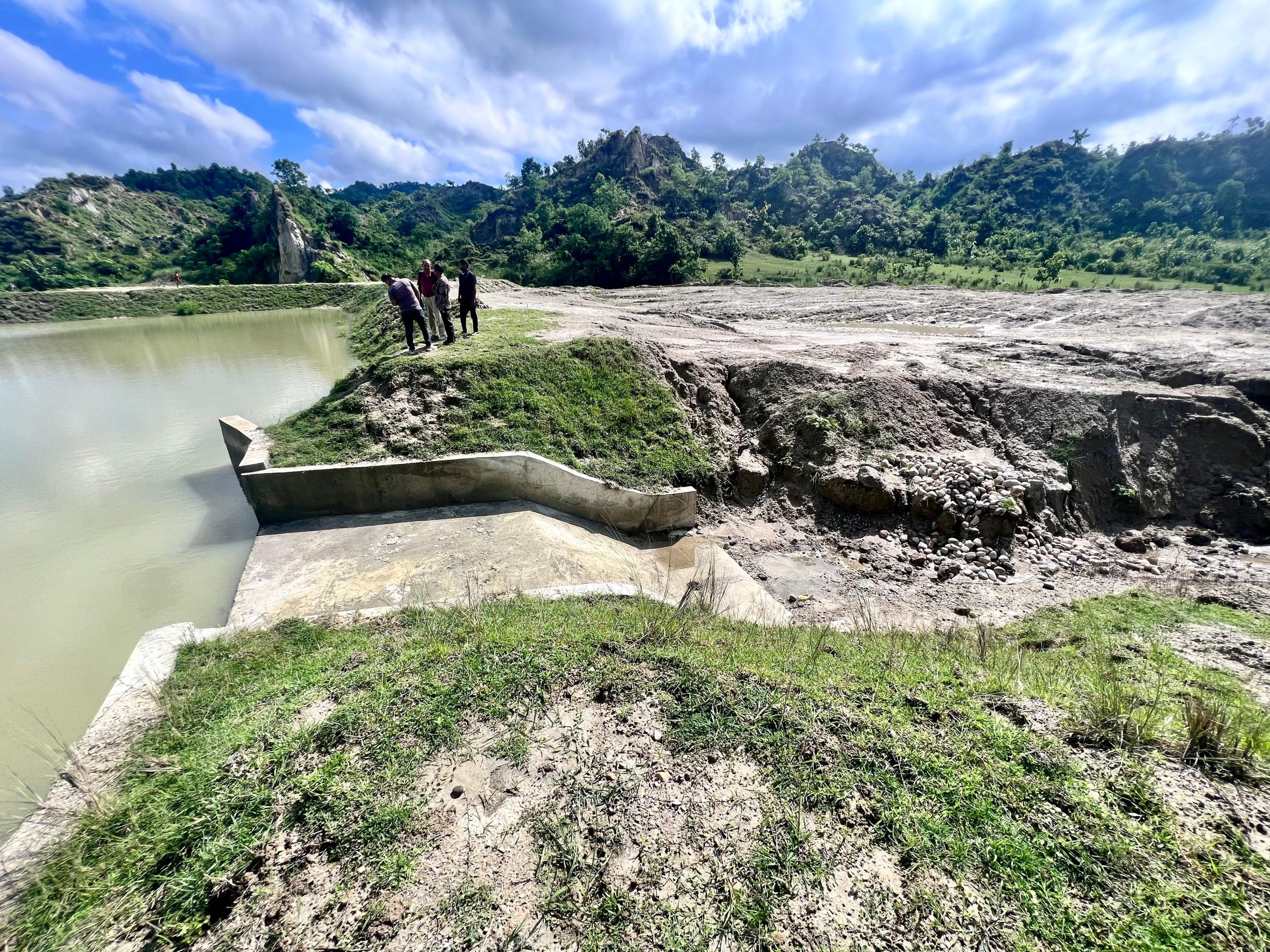
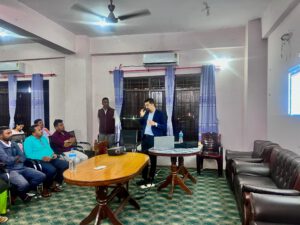
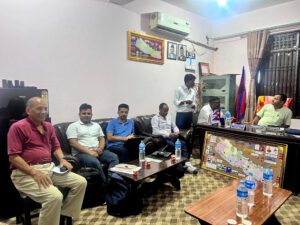
The initiative successfully delivered a comprehensive evidence base for watershed rehabilitation, marked by the completion of detailed feasibility assessments informed by extensive field-level data. Through participatory tools such as Focus Group Discussions (FGD), Key Informant Interviews (KII), and transect walks, the team accurately mapped natural and anthropogenic risks, allowing for the precise design of nature-based solutions. Major milestones include the preparation of a Detailed Project Report (DPR) for the Kariya Khola 76 Bigha Irrigation Project, which now serves as a model for community-managed regenerative farming. The project concluded with a successful validation workshop involving municipal authorities, community representatives, and partner organizations, ensuring that the finalized management plan is both technically robust and locally supported for long-term implementation.