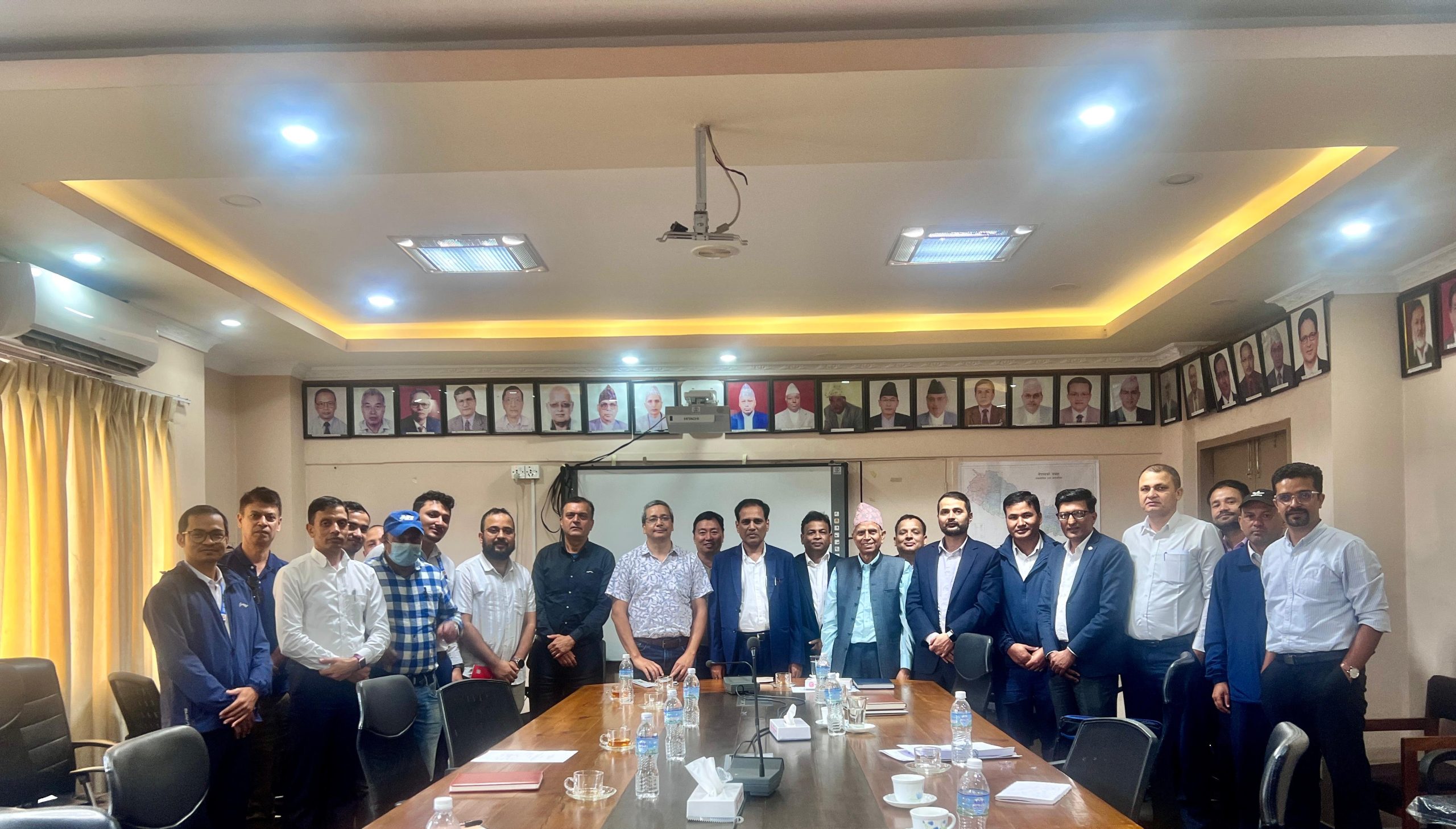
Overview
This project, commissioned by DWSSM in partnership with Oxfam in Nepal and UNICEF, is a critical initiative to modernize Nepal’s water infrastructure standards. The primary goal is to harmonize existing technical frameworks into a unified, future-ready design standard. By reviewing legacy documents—including the 12-volume set and Small Town Projects guidelines—the project aims to create a comprehensive design standard that addresses contemporary challenges such as climate resilience, sustainability, and technological advancement, ensuring that water supply planning is practical and inclusive across Nepal’s diverse geographical landscape.
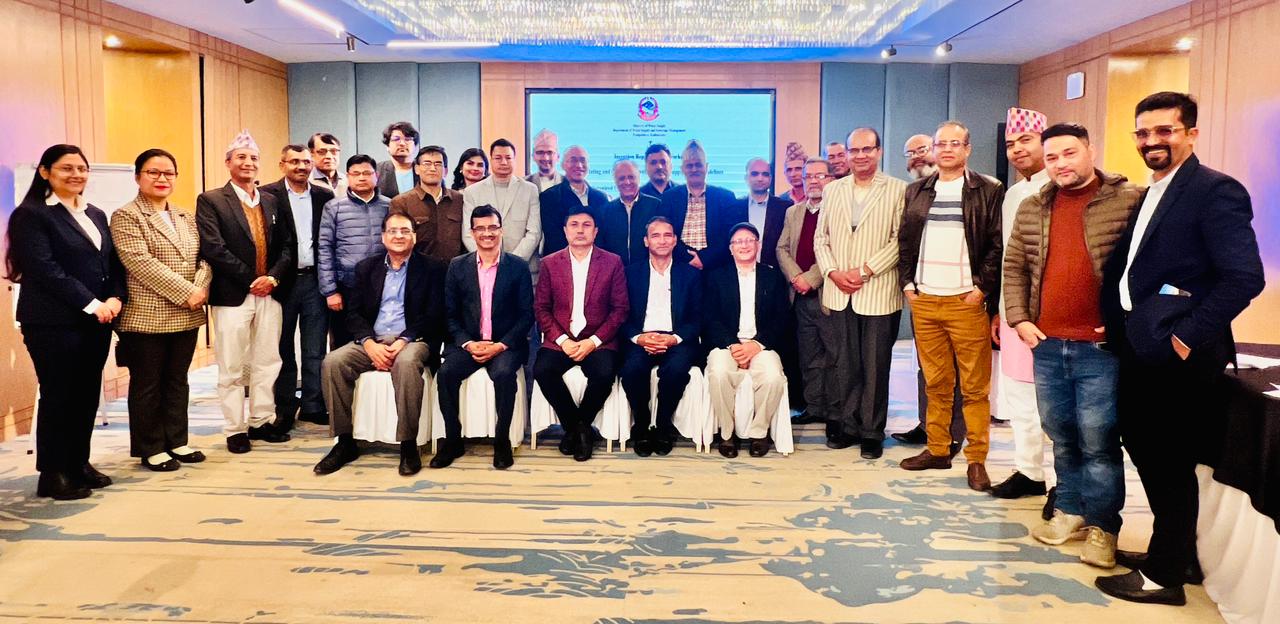
Core Objectives
The project focuses on creating a robust technical foundation for national water infrastructure through rigorous research and multidisciplinary expertise. The core objectives include conducting a thorough review of national and international literature to ensure high adoptability within the Nepalese context. The team is tasked with leading a multidisciplinary group of experts to develop comprehensive guidelines that integrate climate resilience and long-term sustainability into every design component. Furthermore, the assignment emphasizes bridging the gap between international engineering standards and the unique environmental, institutional, and social challenges present in Nepal, ensuring that the final guidelines are both globally informed and locally grounded.


Key Achievements
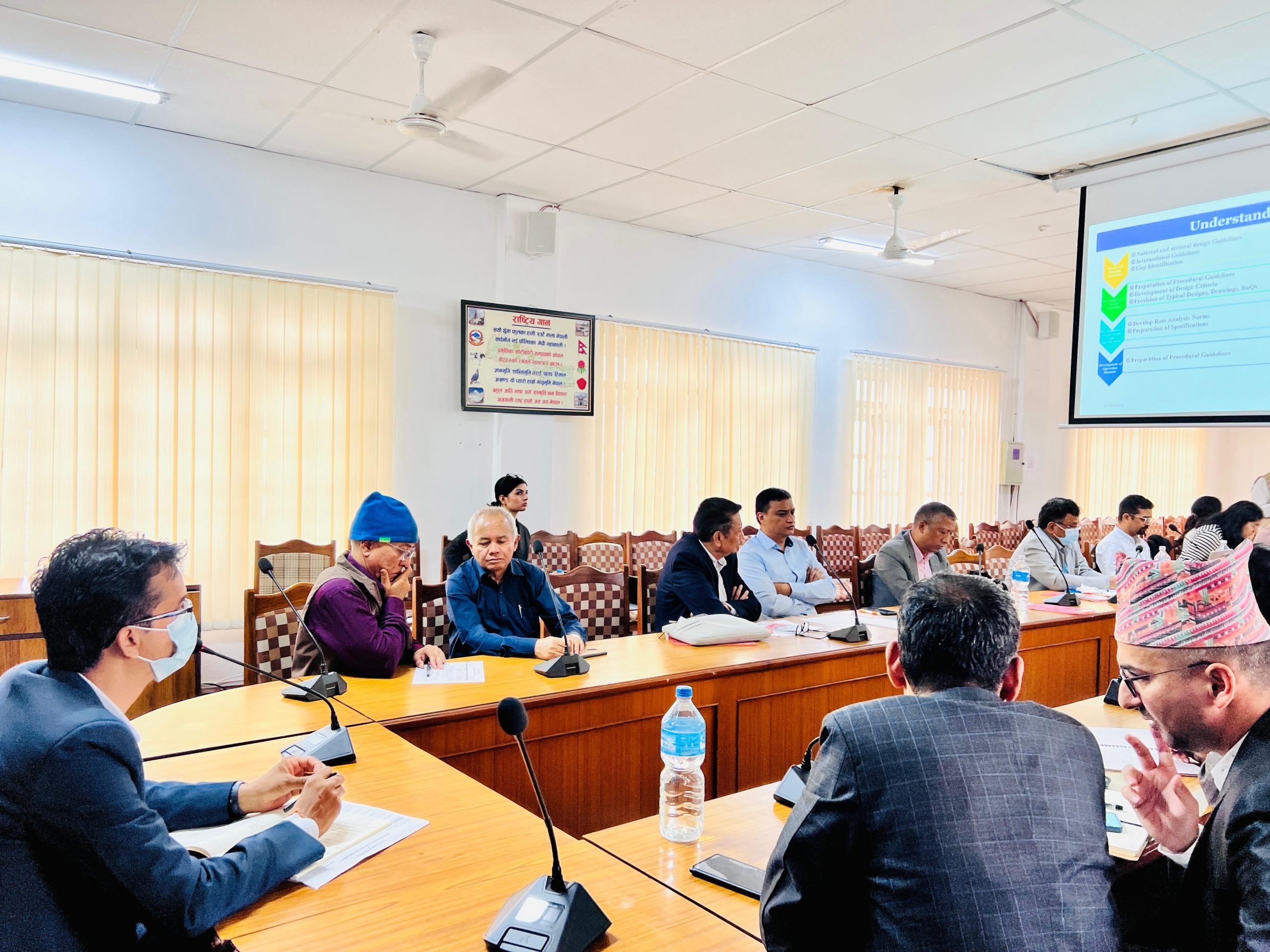
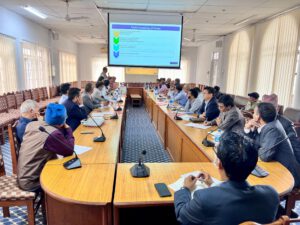
The project is currently progressing through the inception and guideline development phase. To date, the team has completed a comprehensive review of existing national water supply design guidelines and relevant sector-specific documents to assess their relevance and identify areas requiring updating. Extensive consultations with key stakeholders have also been undertaken to identify critical knowledge, technical and implementation gaps and to ensure that the updated guidelines respond to the needs of diverse users. The Inception Report has been finalized, and a draft Table of Contents (ToC) for the new modules has been developed, establishing the structural framework for the subsequent preparation and development of the updated National Water Supply Design Guidelines.