Overview
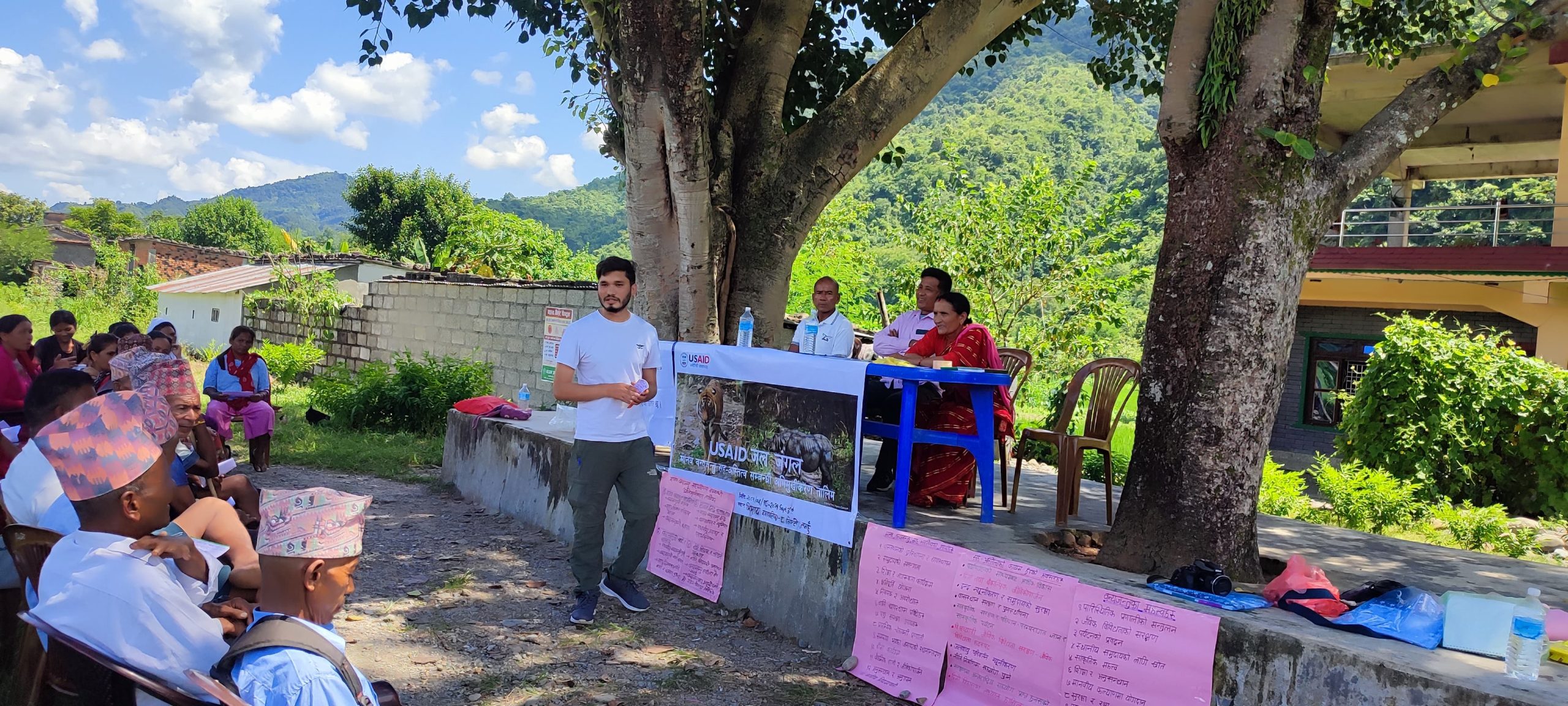
Under the USAID Biodiversity (Jal Jangal) initiative implemented by DAI Global, LLC, Niyatra Consult Pvt. Ltd. (in consortium with Resources Himalaya Foundation) executed a large-scale capacity-building and community engagement campaign across four major conservation landscapes in Nepal. Operating in buffer zones and critical corridor hotspots across the Terai Arc Landscape (TAL), Chitwan Annapurna Landscape (CHAL), Proposed Karnali Landscape, and Kailash Sacred Landscape (KSL), the project equipped local communities with practical tools, behavioral understanding, and compensation knowledge to mitigate Human-Wildlife Conflict (HWC) and foster long-term coexistence.
Project Quick Facts
-
Project Name: Promoting Human-Wildlife Coexistence through Training and Awareness
-
Client / Funding Agency: USAID Biodiversity (Jal Jangal) / DAI Global, LLC
-
Implementing Entity: Niyatra Consult Pvt. Ltd. (In Consortium with Resources Himalaya Foundation)
-
Contract Value: NRs. 27,078,099.60 (Incl. VAT)
-
Execution Period: August 13, 2024 – October 31, 2024 (2.5 Months)
-
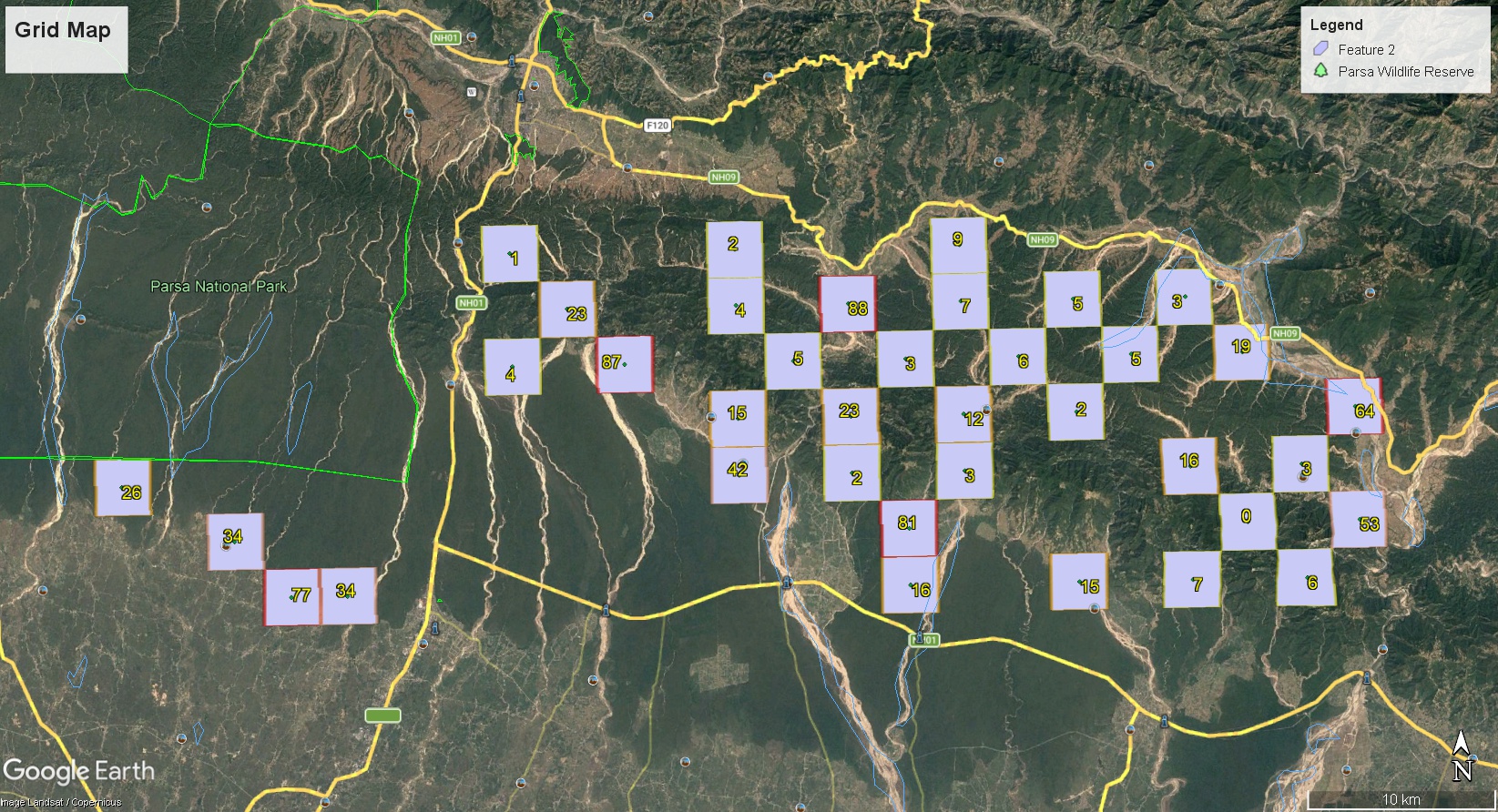
Coverage / Districts (12): Bara, Parsa, Chitwan, Nawalparasi (Bardaghat East), Tanahu, Kaski, Banke, Bardiya, Kailali, Kanchanpur, and Baitadi
-
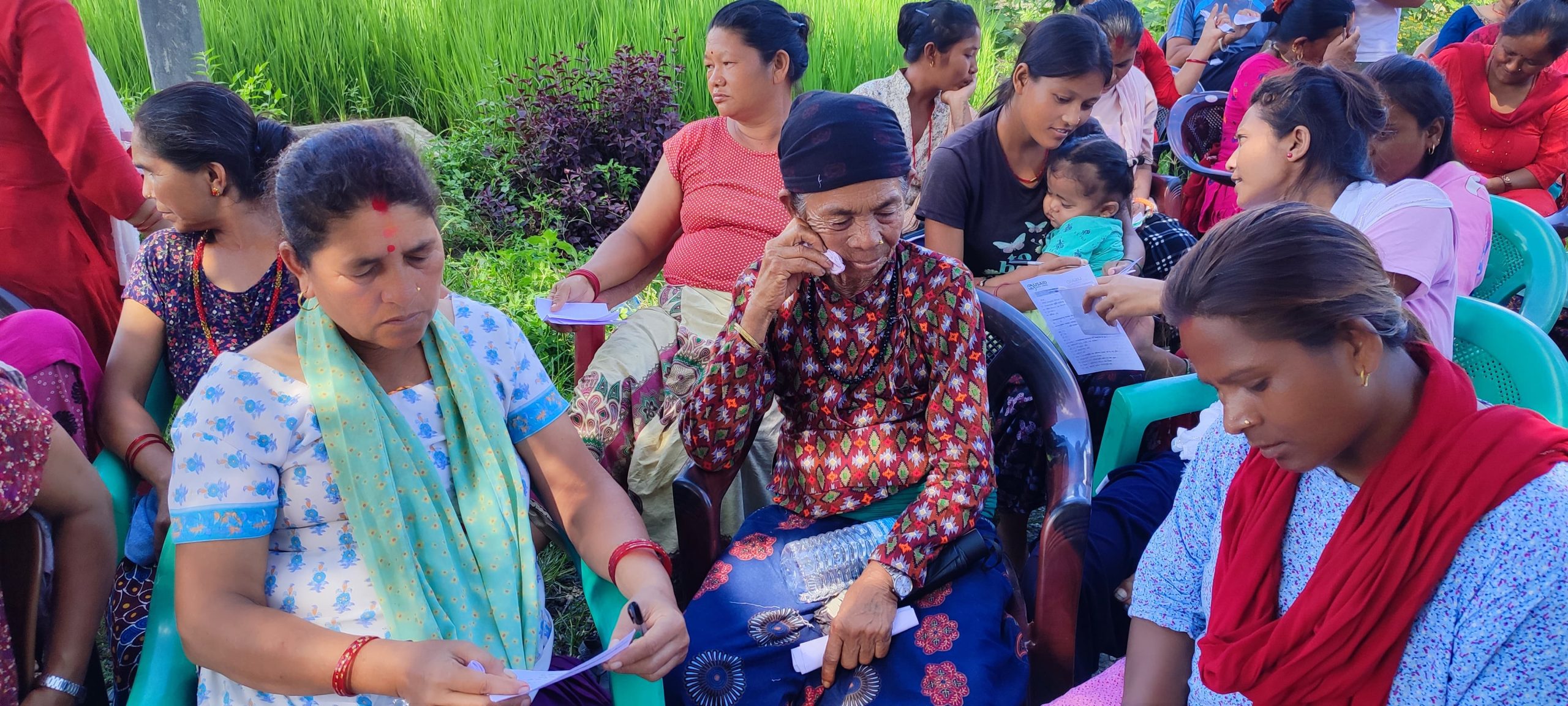
Direct Beneficiaries: 10,122 Community Members across 206 Training Events
Core Objectives
-
Reduce Human-Wildlife Conflict (HWC) Incidents: Build community awareness on animal behavior to prevent negative interactions with key species (tigers, elephants, rhinos, leopards, and wild boars).
-
Standardize Conflict Mitigation Practices: Train communities on the installation, maintenance, and operation of non-lethal deterrents and physical barriers.
-
Demystify Relief & Compensation Protocols: Clarify government relief guidelines, legal processes, and application procedures for crop, livestock, and human casualties.
-
Promote Sustainable Livelihood Alternatives: Encourage nature-friendly income generation activities that minimize forest dependence and reduce human exposure in high-risk core zones.
-
Establish Digital QA/QC Tracking: Utilize mobile data platforms (KoboToolbox / DAI Collect) for real-time monitoring, disaggregated participant tracking, and quality assurance across all training sites.
Key Activities & Scope of Services
1. Curriculum Design & Training of Trainers (ToT)
-
Formulated comprehensive training manuals, visual aid presentations, and localized case-study modules covering major conflict-prone species.
-
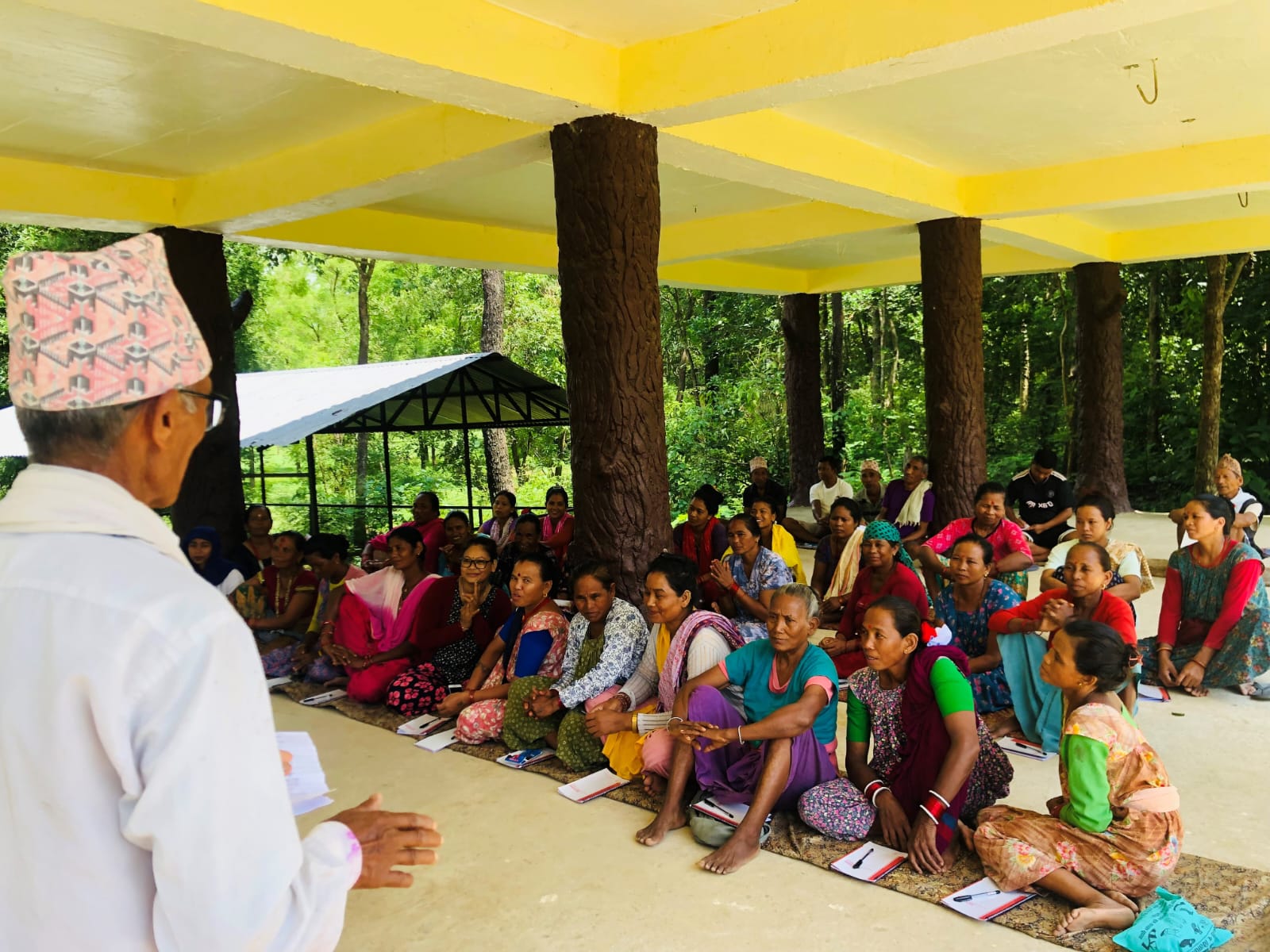
Organized and facilitated two 2-day Training of Trainers (ToT) workshops to prepare lead trainers, co-trainers, and field logistics managers prior to grassroots deployment.
2. Grassroots Training Deployment & Execution
-
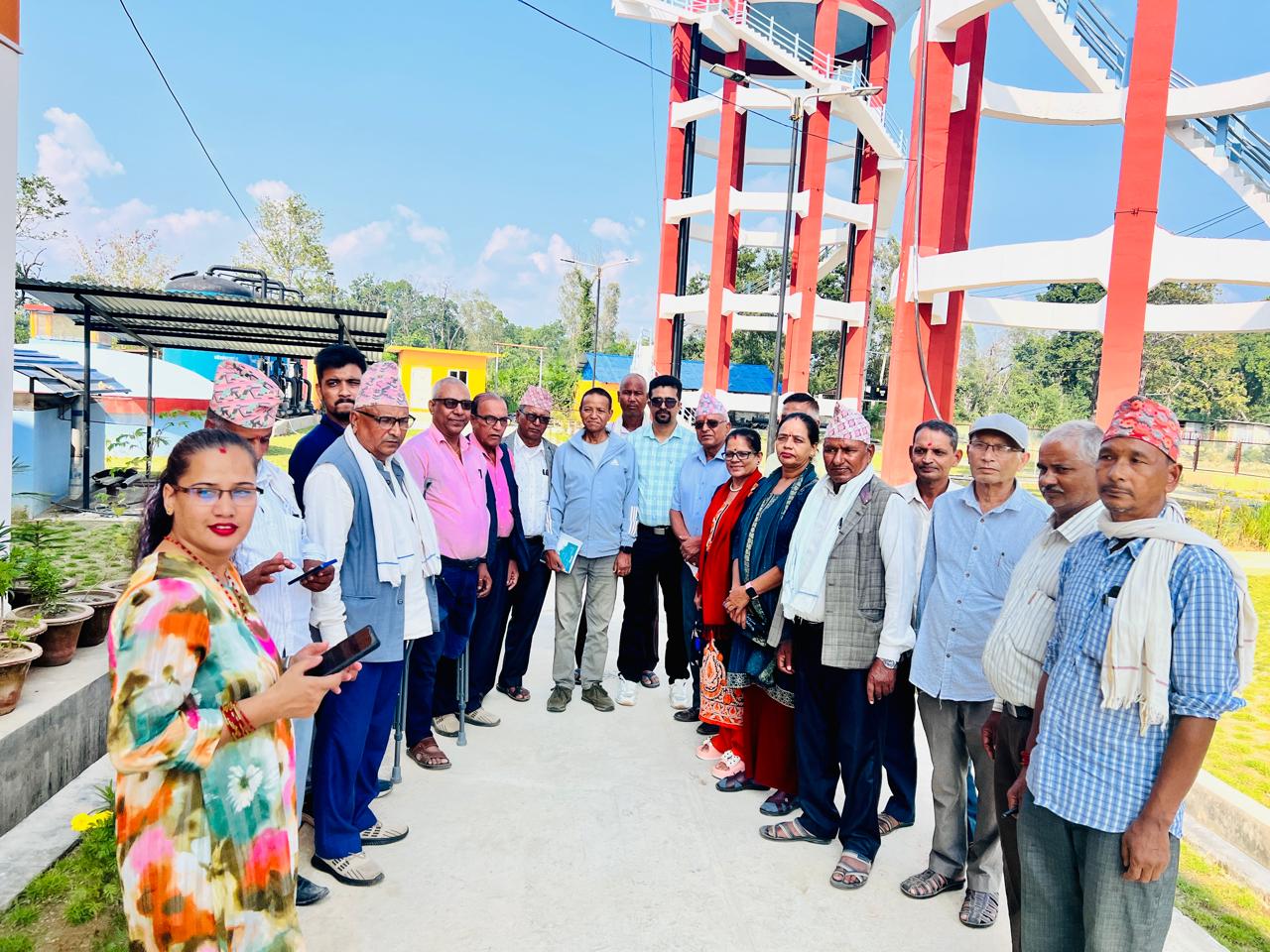
Mobilized field teams across 12 target districts within a strict 2.5-month implementation window.
-
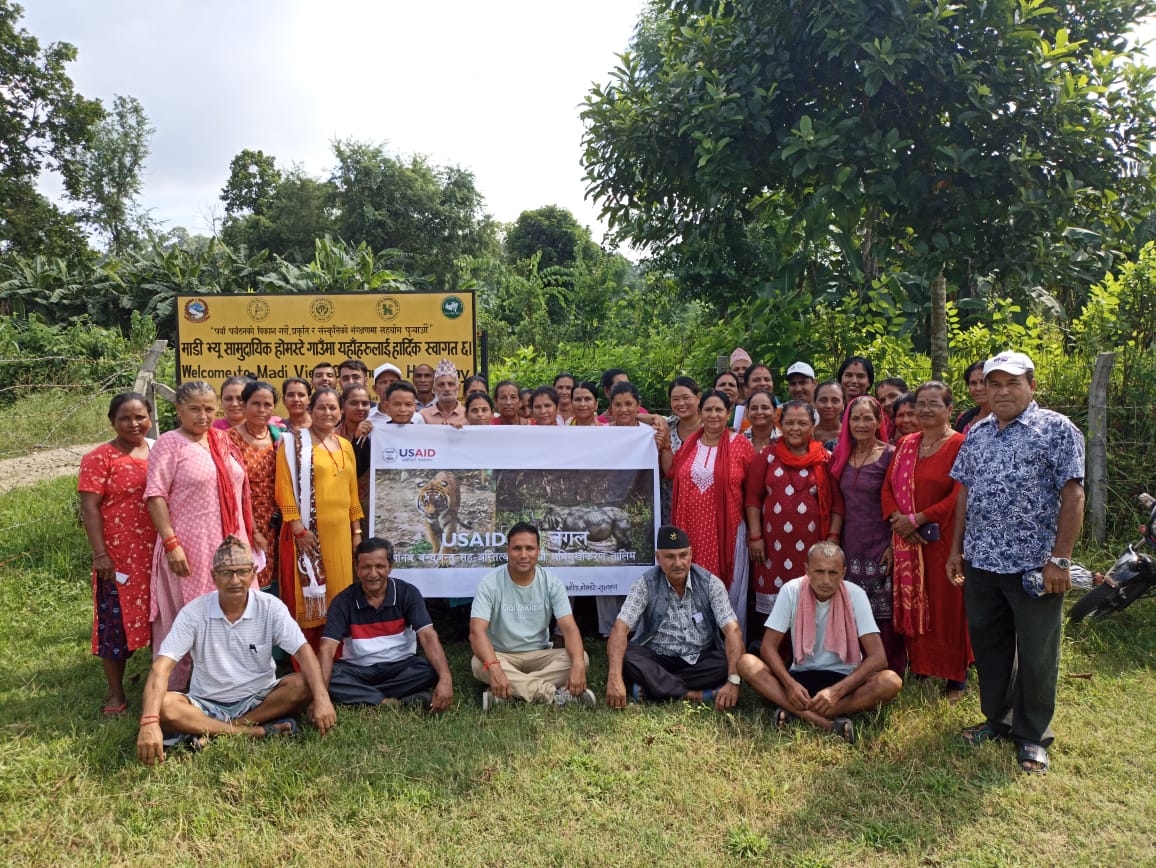
Successfully delivered 206 training events, each accommodating approximately 50 participants, directly training 10,122 local community members.
-
Ensured inclusive participation by prioritizing women, indigenous groups, smallholder farmers, and families residing in high-vulnerability buffer zone areas.
3. Core Training Modules Covered
-
Understanding Wildlife Behavior: Deciphering seasonal movements, territorial markings, and stress triggers of problem species.
-
Non-Lethal Conflict Mitigation Tools: Operationalizing early-warning alarms, bio-fencing, solar power fences, sound deterrents, and light barriers.
-
Government Compensation Procedures: Step-by-step guidance on documenting losses, obtaining police/park verification, and submitting claims under national HWC relief guidelines.
-
Sustainable Livelihood Practices: Introducing climate-smart crops, alternative fodder management, and off-forest income generation strategies.
4. Digital Data Management & Quality Control
-
Collected disaggregated participant metrics (gender, age, ethnicity, location coordinates) in real time using DAI Collect (KoboToolbox).
-
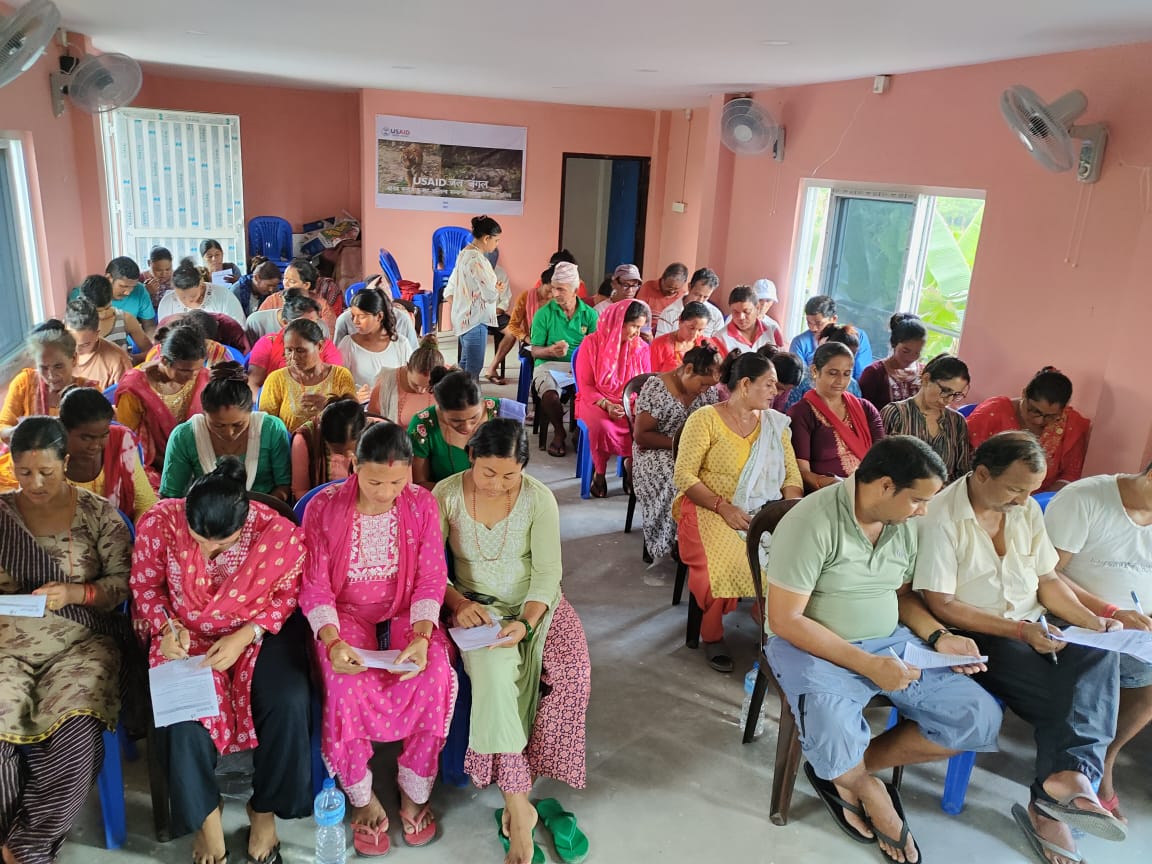
Administered pre- and post-training evaluation surveys to assess knowledge retention and practical understanding among trainees.
Key Project Outputs & Impact
-
10,122 Persons Trained: Exceeded baseline capacity targets across 12 conflict-prone districts in Nepal.
-
206 Completed Events: Rapidly executed structured training across four major ecological landscapes (TAL, CHAL, Karnali, KSL).
-
100% Digitized Reporting: Digitally logged every participant profile, attendance sheet, and event feedback form on cloud servers for audit readiness.
-
Strengthened Community Resilience: Improved local understanding of compensation pathways and non-lethal deterrents, laying the foundation for peaceful human-wildlife coexistence.